Fuente oficial: https://www.gob.mx/becasbenitojuarez
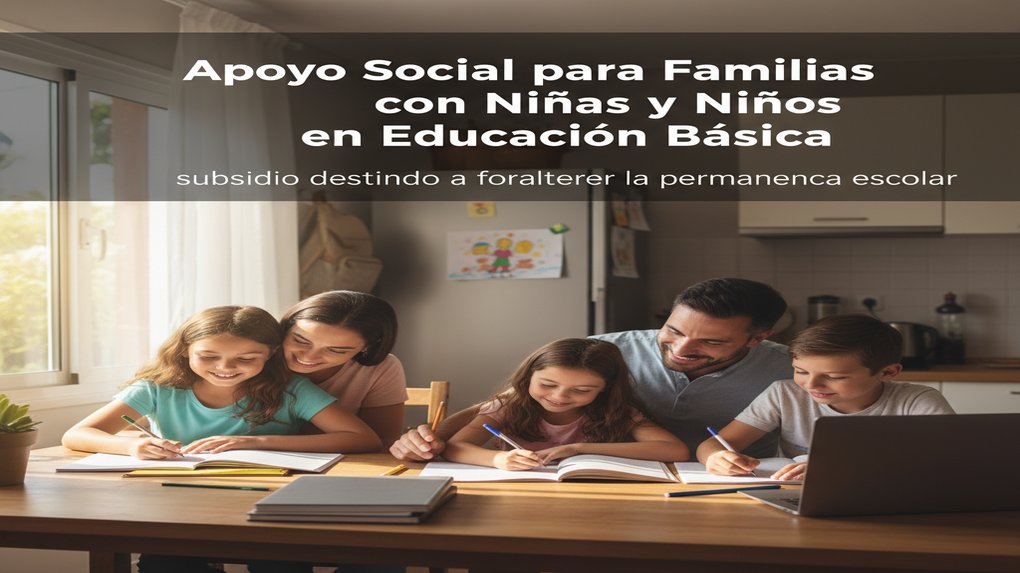
Apoyo Social para Familias con Niñas y Niños en Educación Básica: Subsidio Destinado a Fortalecer la Permanencia Escolar
Introduction:
Ensuring that all children have access to quality basic education is a fundamental pillar for a thriving society. Recognizing the financial challenges some families face, various social support programs have emerged. This article delves into these crucial support systems, specifically focusing on subsidies designed to bolster school attendance and academic success for children in basic education. We’ll explore the benefits, eligibility criteria, and impact of these programs.
¿Qué es el Apoyo Social para la Educación Básica? 🏫
Social support for basic education encompasses a range of initiatives **designed to assist families in covering the costs associated with schooling.** This can include financial assistance, resources, and services. These initiatives aim to remove barriers that might prevent children from attending school regularly and succeeding academically. Ultimately, these supports help reduce inequality and promote opportunities for all children, regardless of their socioeconomic background.
Motivations Behind Educational Support Programs 🎯
There are several compelling reasons for implementing social support programs for families with children in basic education.
* **Poverty Reduction:** Education is a powerful tool for escaping poverty. Providing financial assistance can help families meet basic needs, allowing them to prioritize their children’s education.
* **Improved Educational Outcomes:** When children attend school regularly and have the necessary resources, they are more likely to perform well academically.
* **Reduced School Dropout Rates:** Financial constraints are a major reason why children drop out of school. Subsidies can help prevent this by alleviating the financial burden on families.
* **Increased Social Equity:** By providing support to disadvantaged families, these programs help level the playing field and ensure that all children have the opportunity to succeed.
* **Long-Term Economic Benefits:** Investing in education yields long-term economic benefits for individuals and society as a whole. A more educated workforce leads to increased productivity and economic growth.
Tipos de Apoyo Social Disponibles 💰
The specific types of social support available vary depending on the country, region, and specific program. However, some common forms of assistance include:
* **Direct Financial Assistance (Subsidios):** This involves providing cash payments to families to help cover school-related expenses, such as uniforms, school supplies, transportation, and tuition fees (where applicable).
* **School Meal Programs:** These programs provide nutritious meals to students at school, ensuring that they have the energy to learn and concentrate.
* **Scholarships:** Scholarships can help cover tuition fees and other educational expenses for students who demonstrate academic merit or come from disadvantaged backgrounds.
* **Textbook and School Supply Assistance:** Providing free or subsidized textbooks and school supplies can significantly reduce the financial burden on families.
* **Transportation Assistance:** This can include providing free or subsidized transportation to school, especially for students who live in remote areas.
Beneficios de los Subsidios para la Permanencia Escolar ✨
Subsidies designed to strengthen school attendance offer numerous benefits for students, families, and communities.
* **Improved School Attendance:** By alleviating financial constraints, subsidies help ensure that children can attend school regularly, without having to worry about the cost of transportation, uniforms, or school supplies.
* **Enhanced Academic Performance:** Regular school attendance and access to necessary resources lead to improved academic performance. Children who receive subsidies are more likely to succeed in their studies.
* **Reduced Child Labor:** Financial hardship can force children to work to support their families. Subsidies can help prevent child labor by providing families with the financial resources they need to keep their children in school.
* **Improved Health and Nutrition:** When families have more financial resources, they can afford to provide their children with better nutrition and healthcare, leading to improved health outcomes.
* **Increased Parental Involvement:** When parents are less stressed about finances, they can become more involved in their children’s education.
¿Quiénes Pueden Acceder a Estos Subsidios? 🙋♀️🙋♂️
Eligibility criteria for these subsidies vary depending on the specific program. However, some common requirements include:
* **Income Level:** Subsidies are typically targeted at low-income families who meet certain income thresholds.
* **Enrollment in Basic Education:** Children must be enrolled in a recognized basic education program (primary or secondary school).
* **School Attendance:** Regular school attendance is often a requirement for receiving subsidies.
* **Residency Requirements:** Families may need to meet certain residency requirements to be eligible for subsidies.
* **Specific Vulnerabilities:** Some programs may prioritize families facing specific vulnerabilities, such as single-parent households, families with disabilities, or families affected by displacement.
¿Cómo Solicitar el Apoyo Social? 📝
The application process for social support programs varies depending on the specific program and location. However, some general steps include:
* **Research Available Programs:** Investigate the available social support programs in your area. Contact your local education authority, social services agency, or community organizations for information.
* **Review Eligibility Criteria:** Carefully review the eligibility criteria for each program to determine if your family meets the requirements.
* **Gather Required Documents:** Collect all the necessary documents, such as proof of income, school enrollment records, and identification documents.
* **Complete the Application Form:** Fill out the application form accurately and completely.
* **Submit the Application:** Submit the application form and supporting documents to the designated agency or organization.
* **Follow Up:** Follow up on your application to ensure that it has been received and is being processed.
El Impacto a Largo Plazo de la Inversión en Educación 📈
Investing in social support for education has significant long-term benefits for individuals and society as a whole.
* **Increased Earning Potential:** Education leads to increased earning potential and improved economic opportunities.
* **Improved Health Outcomes:** Education is linked to better health outcomes and increased life expectancy.
* **Reduced Crime Rates:** Education can help reduce crime rates by providing individuals with alternatives to criminal activity.
* **Increased Civic Engagement:** Education promotes civic engagement and participation in democratic processes.
* **Stronger Communities:** A more educated population leads to stronger and more resilient communities.
* **Economic Growth:** A well-educated workforce is essential for economic growth and competitiveness.
Retos y Desafíos en la Implementación de Programas de Apoyo Social 🚧
While social support programs for education are beneficial, there are also challenges in their implementation.
* **Funding Constraints:** Adequate funding is essential for the success of these programs.
* **Targeting Challenges:** Ensuring that the programs reach the families who need them most can be challenging.
* **Administrative Burdens:** Complex application processes and administrative burdens can discourage eligible families from applying.
* **Monitoring and Evaluation:** It is important to monitor and evaluate the effectiveness of these programs to ensure that they are achieving their intended goals.
* **Sustainability:** Ensuring the long-term sustainability of these programs is crucial.
El Futuro del Apoyo Social en la Educación 🚀
The future of social support in education will likely involve increased integration with other social welfare programs, greater use of technology to improve efficiency and reach, and a focus on providing holistic support to families. Furthermore, it will be vital to continually evaluate and adapt these programs to meet the evolving needs of students and families.
In short, social support for families is a valuable investment. These subsidies provide opportunities for children to thrive in school, improving long-term life outcomes and contributing to a more prosperous society for all.
Si deseas más información visita el sitio oficial: aquí.